
WOOL TOUCH VISCOSE
Why We Use Wool Touch Viscose?
Not all fabrics are created equal.
And not all viscose is the same.
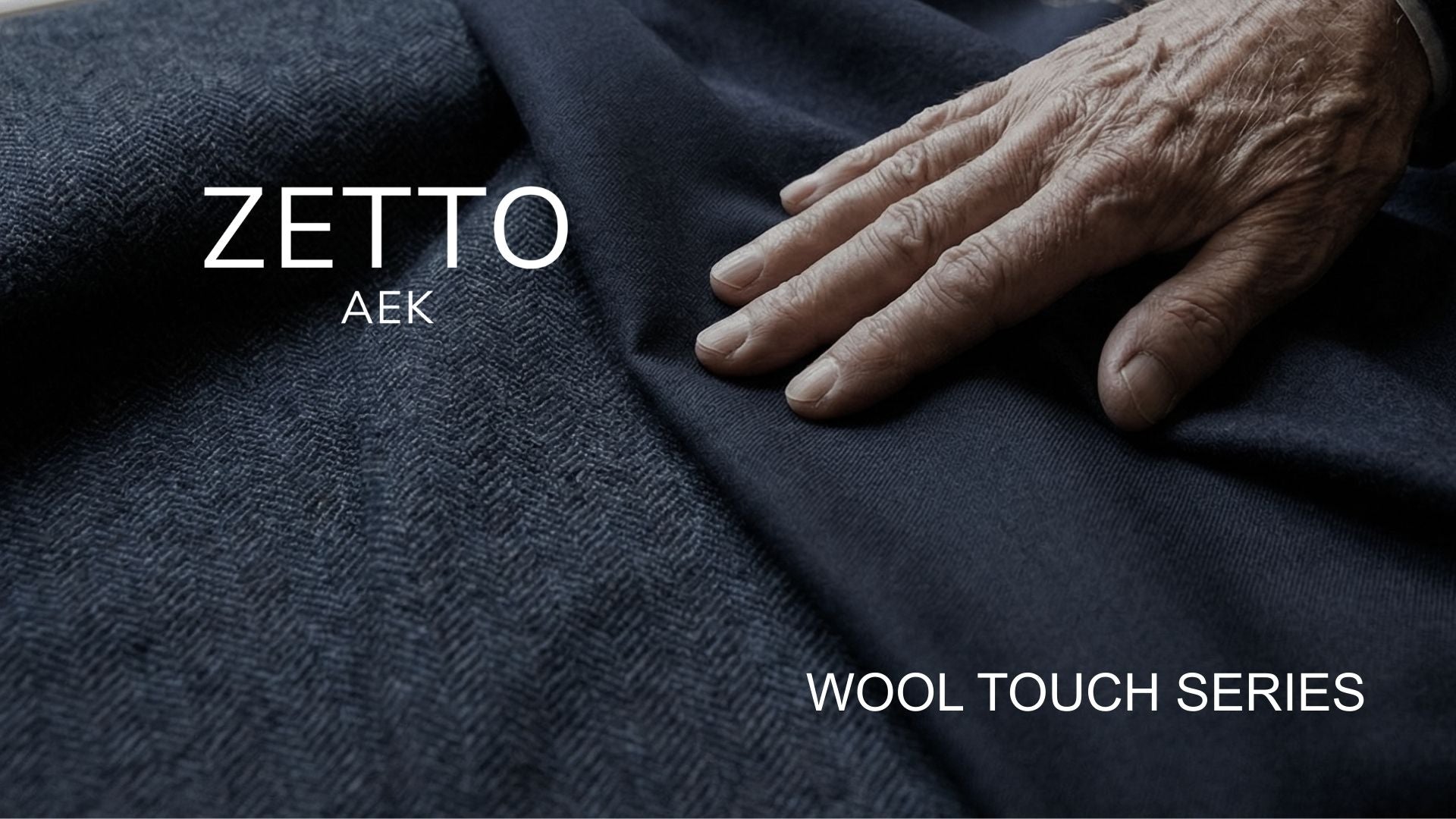
Wool Touch Viscose is not a fiber type, it is a fabric engineering approach.
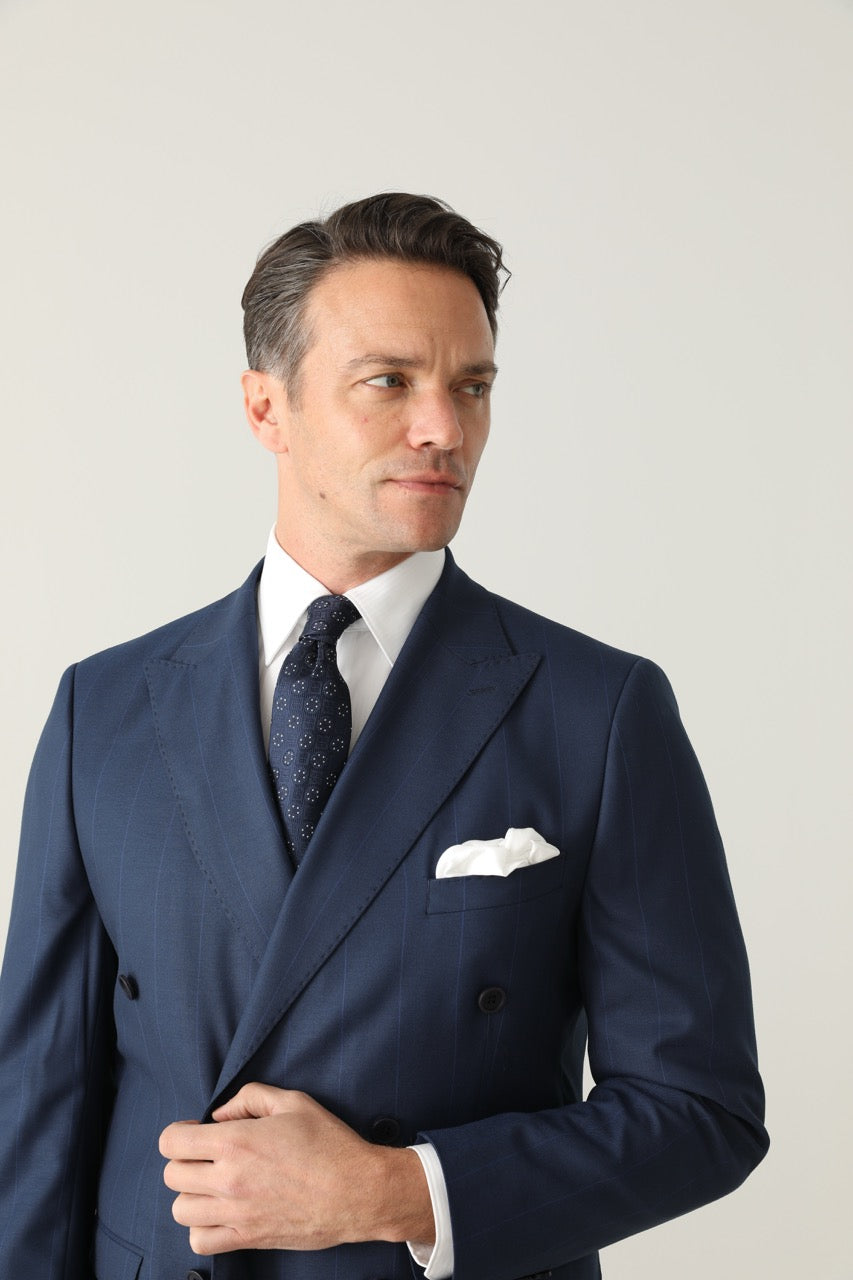
It combines viscose with performance fibers such as polyester and elastane, then undergoes specific yarn construction and finishing processes to recreate the structure and hand-feel of wool.
Unlike standard viscose, which is soft, fluid, and prone to wrinkling, Wool Touch Viscose is engineered to deliver:
• A denser, more structured drape
• Reduced surface shine
• Improved wrinkle resistance
• Greater shape retention
• Subtle flexibility for comfort
Technically, this effect is achieved through:
• Blended staple fibers instead of smooth filament yarns
• Controlled yarn twist for added body
• Structured weaving (often twill-based constructions)
• Finishing treatments such as brushing and pressure setting to create a matte, wool-like surface
The result is a fabric that looks refined, feels substantial, and performs reliably throughout a demanding professional day.
Why it can outperform mid quality wool?
Mid-grade wool fabrics particularly loosely woven or lower-density constructions may lose structure, wrinkle easily, or develop shine at friction points.
Wool Touch Viscose is designed for stability. It is less reactive to humidity, daily friction, and long working hours. It maintains a sharp silhouette with lower maintenance requirements.
It may not replace high end Super 130’s or 140’s wool.
But compared to average quality wool, it often proves more consistent, more durable, and more practical for modern business life.
This is not a substitute.
It is a deliberate performance choice.